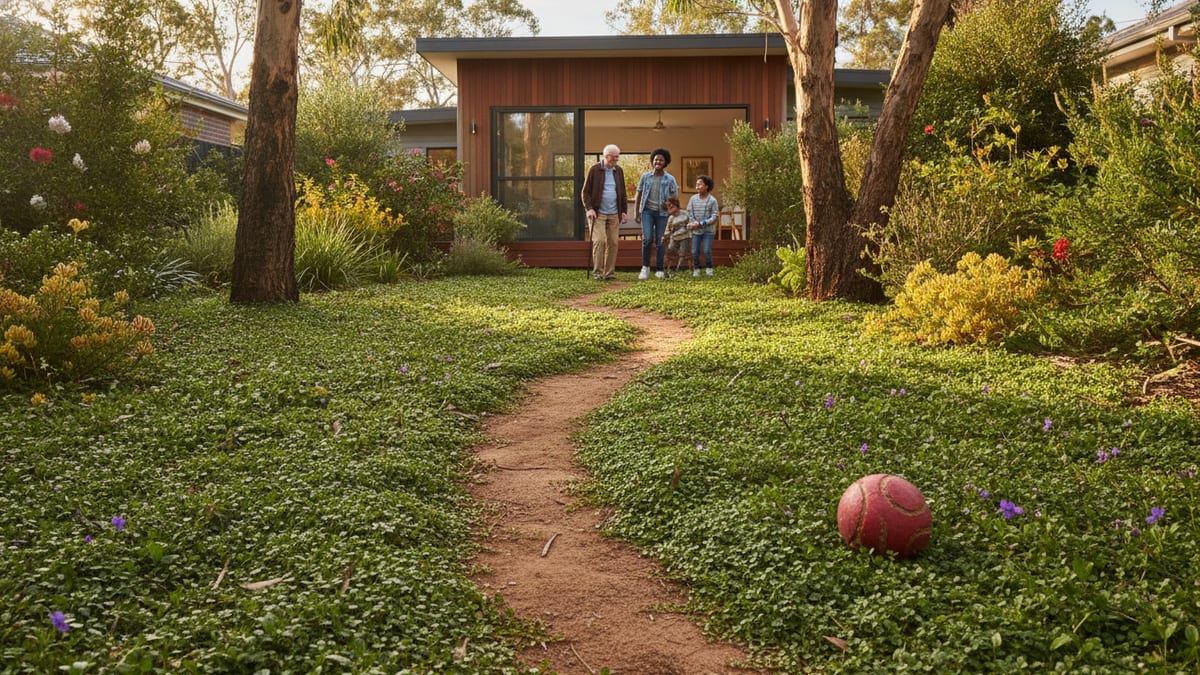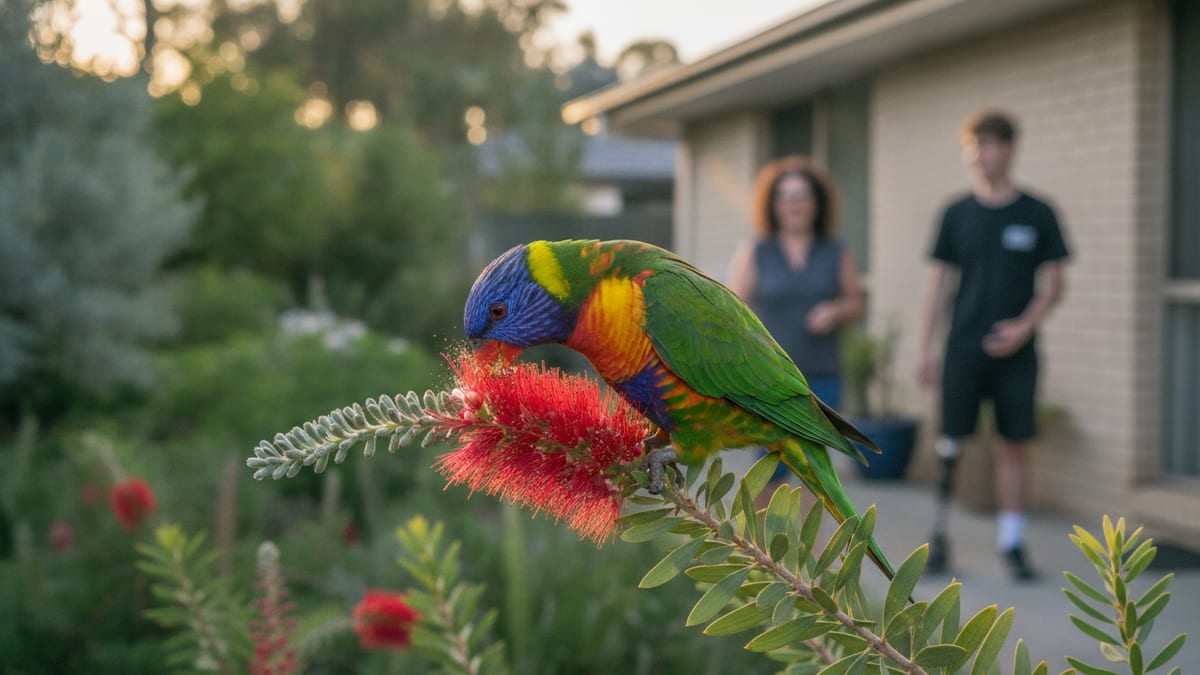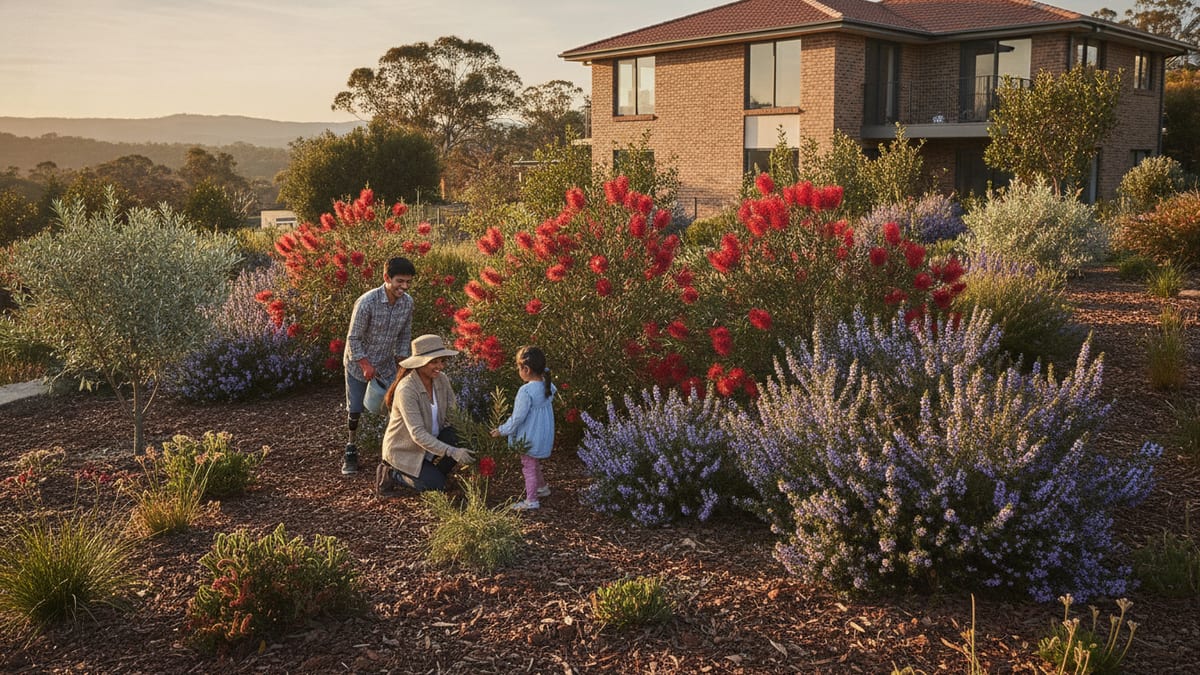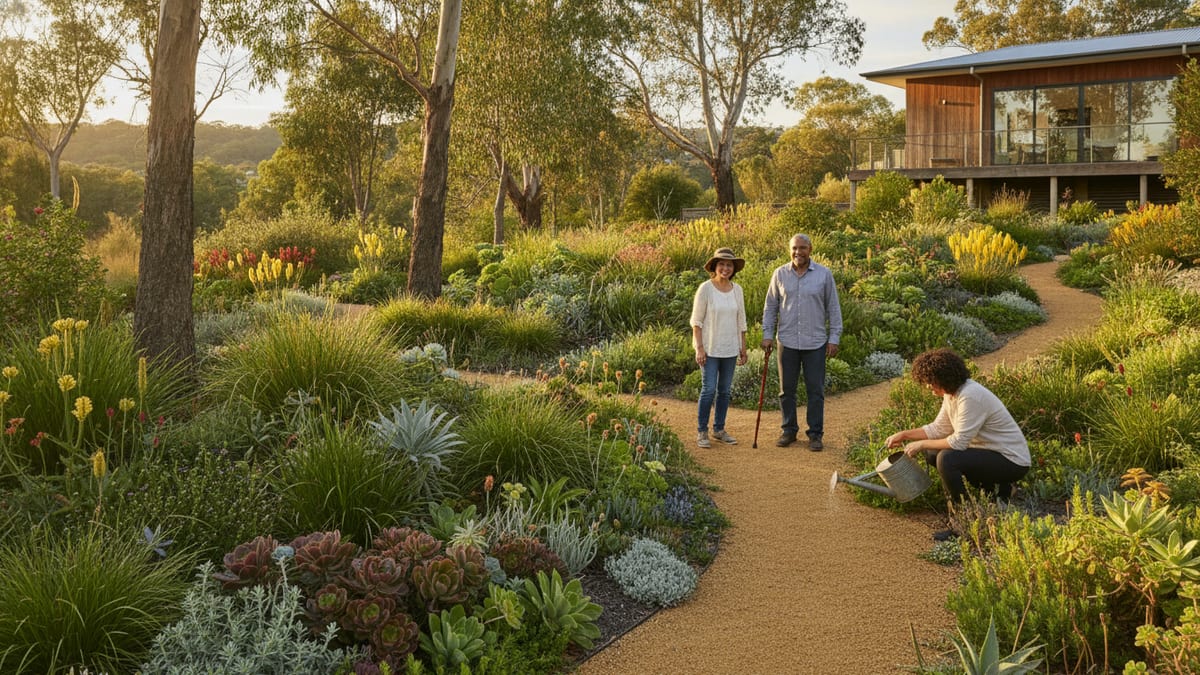
The biggest misconception about waterwise gardening is that it looks like a desert. Gravel, a few sad plants, a lot of empty space. That's not waterwise gardening — that's lazy design.
Real waterwise gardens are lush, layered, and beautiful. They just use less water. Here's how to do it.
Layer Your Plantings
A waterwise garden should still have:
- Tall trees for structure and dappled shade
- Shrubs and small trees for mid-level interest and shelter
- Ground covers and perennials for texture and seasonal colour
- Grasses for movement and a natural feel
Layering creates visual interest and also creates microclimates. Plants in shade need less water than those in full sun. A well-layered design uses that to its advantage.
Choose the Right Plants
Waterwise doesn't mean native-only (though natives are great). It means choosing plants suited to:
- Your soil type
- Your light conditions
- Our climate and rainfall patterns
- Your maintenance capacity
A waterwise plant in the wrong spot still needs extra watering. The key is matching the right plant to the right place.
Use Mulch Strategically
A 5–7cm layer of quality mulch:
- Reduces water loss from soil evaporation
- Moderates soil temperature
- Suppresses weeds (which compete for water)
- Breaks down to improve soil structure
Mulch is the single biggest bang for your buck in a waterwise garden. Use it everywhere except around trees (keep it 10cm from the trunk).
Build in Seasonal Interest
A waterwise garden still has shape and colour through the year. Think:
- Spring-flowering natives and perennials
- Summer textural grasses
- Autumn leaf colour and persistent seed heads
- Winter structure from bare branches and evergreen foliage
This requires thoughtful plant selection, but it's absolutely possible on minimal water.
Drainage and Grading
Good drainage means water soaks into the soil where plants can use it, rather than running off or pooling. Slope your garden gently so water moves toward plants, not away from them.
In low spots, create swales (shallow depressions) that catch water and let it soak in.
Reduce the Lawn
Lawns need water. A lot of it. Keep lawn where it's functional (play areas, seating). Replace other areas with ground covers, mulch, or hardscaping.
You don't have to eliminate lawn entirely. Just be intentional about where you put it.
Watering Systems
A drip irrigation system or soaker hose delivers water right to the root zone where plants need it. Surface watering wastes water to evaporation.
Set a timer and water deeply but infrequently. This encourages deep root growth and resilience.
The Look
When done well, a waterwise garden looks:
- Intentional and designed
- Layered and textured
- Colourful and seasonal
- Natural and flourishing
- Nothing like a gravel pit
It's actually less maintenance than a traditional garden with high-water plants. Once established, you'll spend less time watering and less money on water bills.
That's the real win of waterwise design — beauty, health, and lower resource use. All together.