A patchy lawn can make your whole garden feel neglected, even if everything else is thriving. The good news: patchy lawns are one of the most fixable problems. With the right approach, you can restore your grass in a few months.
Why Lawns Go Patchy
Before you fix it, understand what caused it. Patches typically come from:
- Poor drainage or compacted soil — grass drowns or can't root properly
- Shade — if trees have grown in, your sunny-loving turf loses the light it needs
- Heavy foot traffic — stress and compaction damage the grass
- Disease or pests — fungal issues or grubs weaken grass from below
- Wrong grass type for your soil — some turfs just don't like clay
Once you know the cause, the fix becomes obvious.
Step-by-Step Recovery Plan
Step 1: Diagnose the soil
Dig into the patchy area. Is it waterlogged? Rock hard? Thin? Bring a sample to your local nursery or send photos to us. Understanding your soil is half the battle.
Step 2: Remove dead grass
Use a rake or lawn dethatcher to pull out dead material. You want bare soil, not a mat of straw-like grass. Be aggressive here.
Step 3: Improve the soil
If it's compacted, spike or aerate the area. If it's heavy clay, work in some compost or quality lawn dressing. If it's draining too fast (sandy), add organic matter. Spend time on this step.
Step 4: Choose the right grass
For Sydney clay soils in the Hills District, consider buffalo or couch. Kikuyu is hardier but more aggressive. Know your light levels — some spots might need shade-tolerant options.
Step 5: Reseed or relay turf
You can seed (cheaper, slower) or lay new turf (faster, pricier). Both work. Just ensure good soil contact and keep it moist for 3–4 weeks while it establishes.
Step 6: Get the watering right
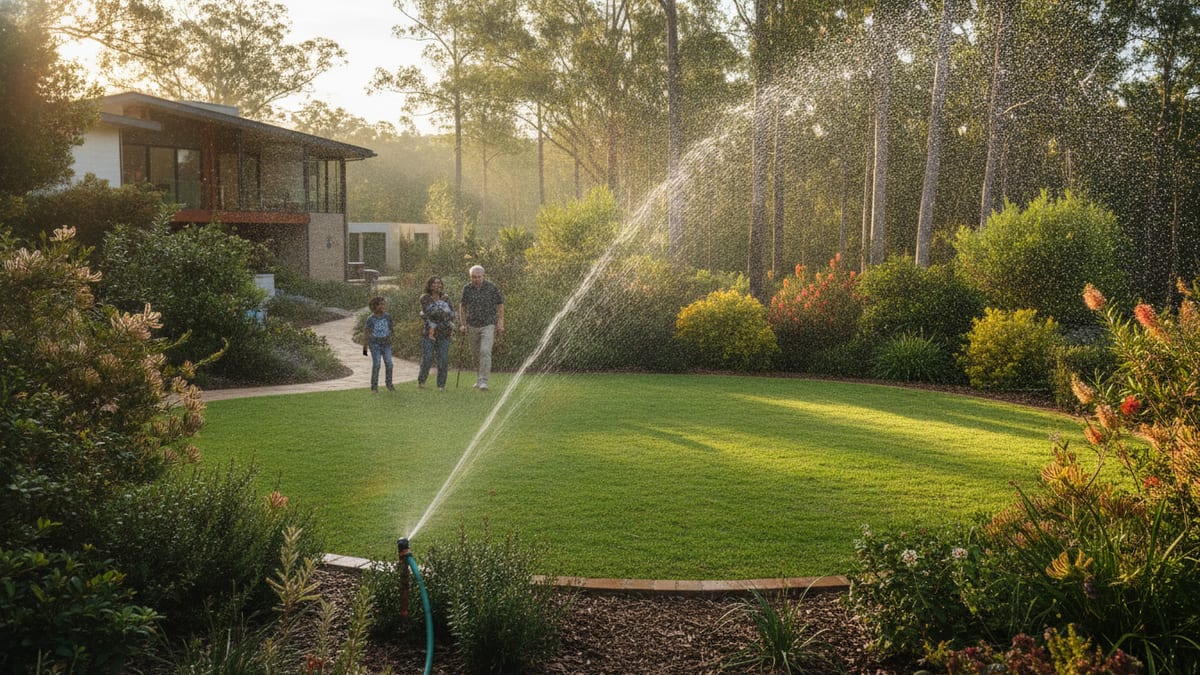
New grass needs consistent moisture, but not soggy. In spring or autumn, daily light watering for the first few weeks. As it takes hold, reduce frequency but water deeper.
Step 7: Stay off it for at least 4 weeks
I know it's tempting, but new grass is fragile. Keep foot traffic off until it's firmly rooted.
Timing Matters
The best time to repair a patchy lawn is autumn (March–May) or spring (September–November). The soil is warm enough for germination, but the heat isn't as extreme. Summer repairs struggle; winter is too slow.
The Long View
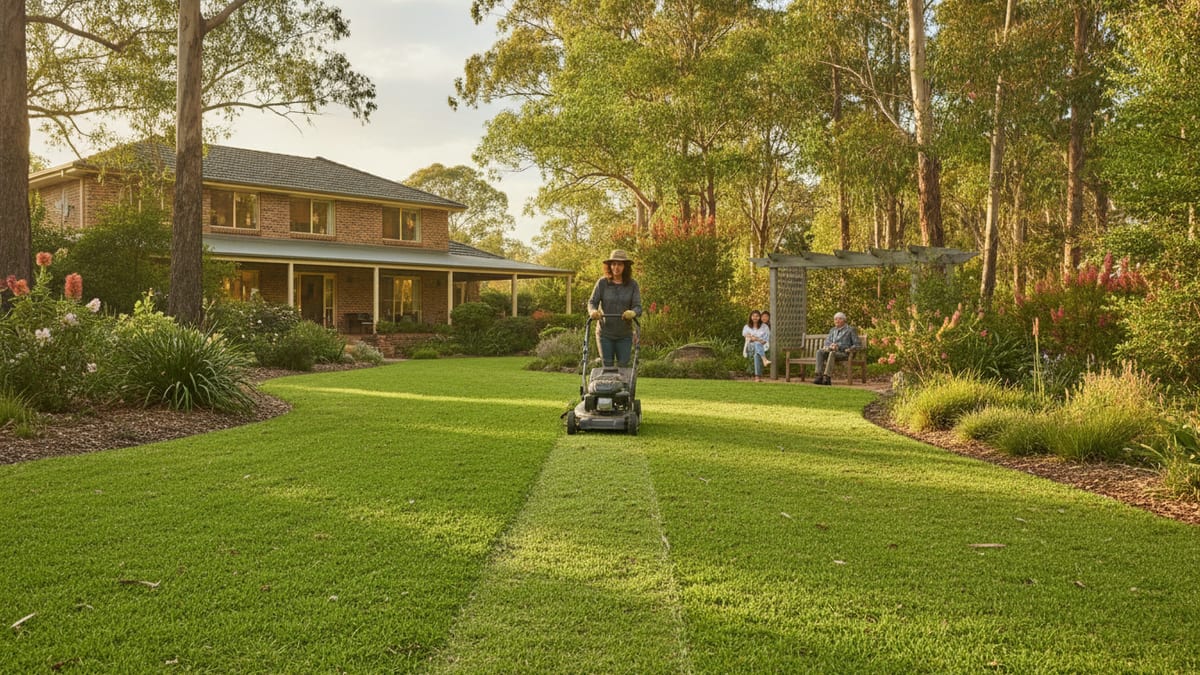
Once the patch fills in, maintain it. Regular mowing, seasonal feeding, and good watering habits prevent patches from coming back. Most of our maintenance-plan clients never see patchy grass again — it's not magic, just consistency.
If the patches keep coming back despite your best efforts, there's usually a deeper issue: drainage, shade, or soil chemistry. That's when it's worth getting a specialist in to diagnose properly.
Your lawn can recover. It just needs time, the right approach, and a bit of patience.