A failing retaining wall is dangerous and expensive to fix. But it doesn't happen overnight. There are always warning signs. Here's what to watch for.
Sign 1: Cracks in the Wall
Small hairline cracks happen. But if you see:
- Cracks widening (measure them — if they're growing, that's bad)
- Diagonal cracks (more serious than vertical)
- Cracks with water weeping through
- Multiple cracks
Get it inspected. Cracks can indicate movement or pressure issues.
Sign 2: Water Pooling or Seeping
Water behind a retaining wall is the #1 cause of failure. If you notice:
- Water pooling at the base of the wall
- Soil becoming boggy behind the wall
- Water seeping through the wall face
- Dampness in the soil above the wall
The drainage is failing. Water is building pressure behind the wall, pushing it outward.
Sign 3: Bulging or Leaning
This is critical. If the wall face:
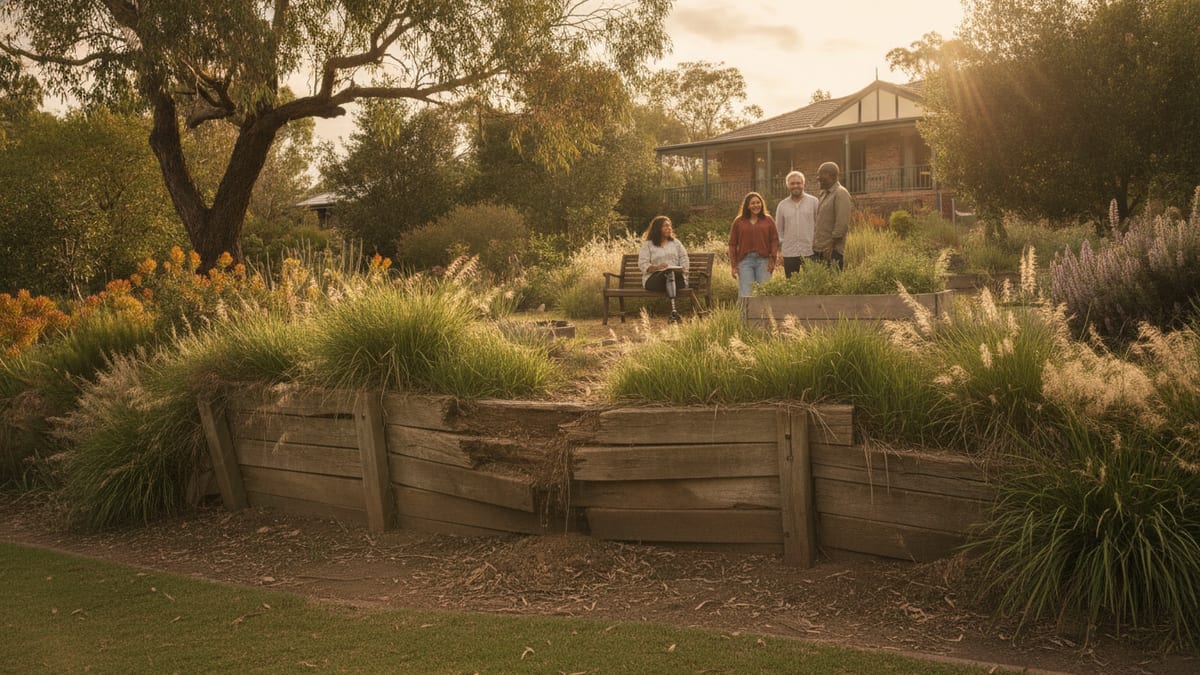
- Bulges outward in the middle
- Leans noticeably
- Is no longer vertical
This indicates the soil pressure is winning. The wall is starting to fail.
Sign 4: Soil Erosion or Loss Behind the Wall
If you notice:
- Soil washing away from the base
- Gaps appearing between the wall and the ground
- The soil level dropping behind the wall
The wall may be settling or the soil may be being pushed out. Either way, it's unstable.
Sign 5: Movement or Settlement
If:
- Plants or structures on top of the wall are tilting
- The top of the wall is visibly moving (sag in the middle)
- Pavers or other hardscaping on top are cracking or separating
The wall is moving. This is advanced failure.
What Causes These Issues
Poor drainage: The most common cause. Water builds pressure behind the wall and eventually wins.
Poor construction: Shallow footings, weak mortar, no weep holes, or inadequate compaction upfront.
Soil movement: Expansive soils (like our clay) move seasonally, putting pressure on walls.
Age and weathering: Timber walls rot, mortar joints deteriorate, materials weaken.
Added load: Tree roots, additional soil, heavy structures on top can overload a wall.
What to Do
Minor cracks: Monitor them. Take photos monthly. If they're not growing, it may just be normal settlement.
Water issues: Address immediately. Poor drainage is the most fixable issue and often prevents serious problems.
Bulging, leaning, or movement: Call a structural engineer. Don't wait. This is serious and dangerous.
Cost of Repair vs. Replacement
A small drainage fix might cost $500–$2,000.
A wall with serious structural issues often can't be repaired — it needs rebuilding. That's $5,000–$20,000+ depending on size.
The moral: catch problems early.
Prevention
- Install proper drainage behind walls during construction
- Don't build walls too tall or without engineering
- Avoid adding excessive load on top
- Keep water away from walls
- Have stone or timber walls inspected every 5–10 years
A well-built retaining wall lasts 30–50 years. A poorly built one fails in 5–10. The difference often comes down to how seriously drainage was taken during installation.
If you suspect your wall is failing, get it looked at. Early intervention saves money and prevents disasters.